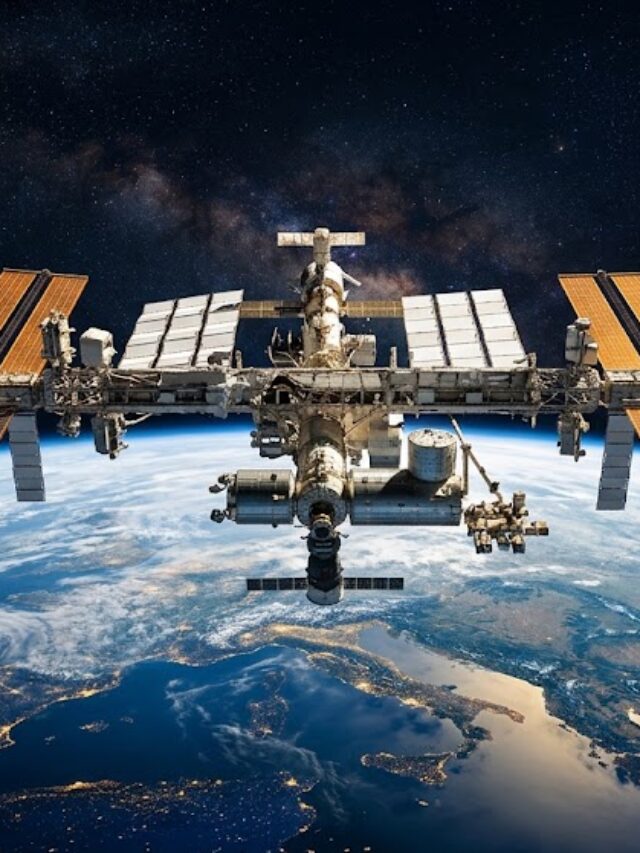


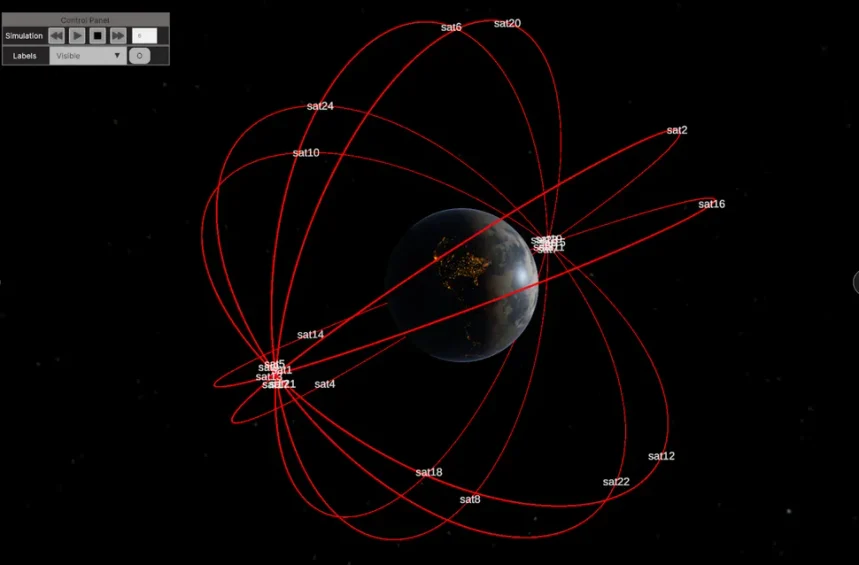
The global space sector is experiencing an unprecedented surge, with its market value projected to triple from €554 billion in 2023 to €1.66 trillion by 2033. As satellite constellations multiply and orbital operations become increasingly complex, the demand for advanced software, automation, and real-time communication systems has never been higher.
Rising to meet these global challenges is Lithuania’s fast-expanding ICT sector, which currently generates 5.4% of the country’s GDP. Leveraging deep expertise in artificial intelligence, cybersecurity, big data, and software engineering, Lithuanian tech pioneers are transforming from high-tech service providers into vital contributors to full-scale European space missions.
To bridge domestic technology with international space demand, Innovation Agency Lithuania established Space Hub LT in 2022. Following Lithuania’s associate membership in the European Space Agency (ESA) in 2021, the nation’s space ecosystem has matured rapidly.
“The strength of Lithuania’s technology ecosystem lies in its adaptability,” notes Eglė Elena Šataitė, Head of Space Hub LT. “Companies like Novian and Sensmetry have built extensive expertise in other high-tech fields and are now successfully applying it to the space sector—specifically contributing to the emerging In-Space Assembly, Manufacturing, and Servicing (ISAM) economy.”
1. Space Intelligence & Autonomous Navigation: Blackswan Space
As space agencies and private operators scale up orbital missions, mission software must evolve beyond legacy architectures. Vilnius-based startup Blackswan Space is leading this shift by developing autonomous, in-space navigation systems for the next decade of space commerce.
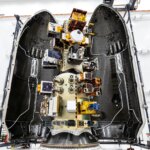
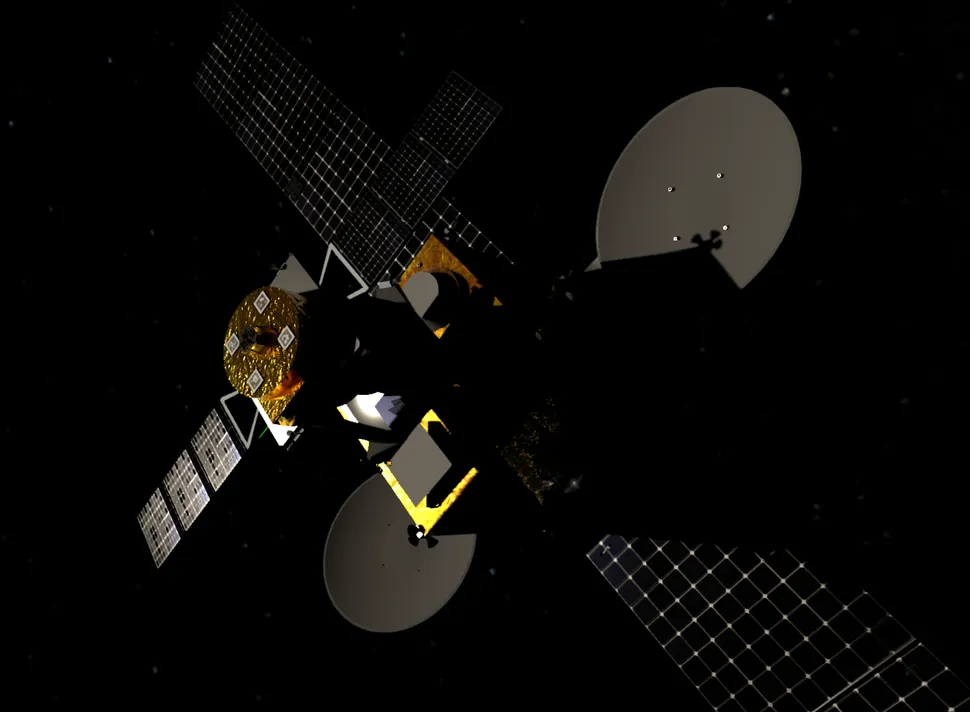
Blackswan Space has secured multiple contracts with the European Space Agency. Notably, the company is delivering the Rendezvous and Proximity Operations (RPO) Kit for ESA’s upcoming ASTRAL mission—Europe’s first in-orbit refueling demonstration.
“The RPO kit is a hardware payload that enables satellites to navigate in space autonomously,” explains Tomas Malinauskas, Chief Commercial Officer at Blackswan Space. “This technology directly enables super complex space operations like docking one satellite to another for refueling, life-extension, or active debris removal.”
Malinauskas reflects on the nation’s rapid progress:
“Ten years ago, Lithuania essentially had no space sector—only early beginnings and a few individual enthusiasts building satellites. Today, we have a growing community offering actual high-tech products and services to the international market.”
2. Secure Defense & Early Warning Systems: Novian PRO
Communication infrastructure and software integration remain the backbone of space missions—from ground telemetry stations to orbital payloads. Novian PRO, an ICT specialist delivering AI, software engineering, and cybersecurity solutions for aerospace and defense, works alongside major international partners including ESA, OHB System, Tesat-Spacecom, British Telecom, and Rheinmetall.
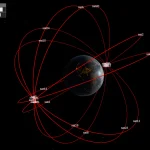
Novian is a consortium partner in ODIN’S EYE, a major project funded by the European Defence Fund aimed at developing a space-based missile early warning system for Europe.
“Cutting-edge IT technologies like AI, edge-computing, and quantum systems enable the capture of real-time data and convert it into actionable insights for decision-makers in civil and defense domains,” says Gediminas Viškelis of Novian PRO.
With Lithuania posting Europe’s fastest growth rate for IT specialists—graduating nearly 1,100 future software engineers annually—the domestic ecosystem offers a strong talent pipeline for long-term aerospace projects.

3. Systems Engineering & AI Automation: Sensmetry
As satellite constellations scale into thousands of active units, human-driven mission management becomes impractical. Tech firm Sensmetry is addressing this bottleneck with its flag-ship software suite, Syside, designed to automate systems engineering for complex aerospace architectures.
Built upon a rigorous “system-as-code” paradigm using the novel SysML v2 modeling language, Syside enables automated decision-making across a system’s entire lifecycle—from early design to active orbital deployment.
“Sensmetry’s automation solutions are successfully deployed on some of the most advanced satellite constellations, assuring their reliability and availability without human intervention,” states Dovydas Bieliauskas, Solutions Engineer at Sensmetry.
Syside has already been adopted by ESA for its reference libraries and is used by two major European large-scale integrators (LSIs), with growing market traction in Germany and the United States.
The Road Ahead
From autonomous satellite docking and micro-turbopump software to AI-driven constellation management, Lithuania’s tech sector demonstrates how agility and software expertise can solve the most intricate challenges of modern spaceflight. As ESA missions expand toward sustainable orbital servicing and deep-space exploration, Baltic space technologies are set to play a central role in shaping the next frontier of space flight.