

CAPE CANAVERAL, Fla. – SpaceX is scheduled to launch its CRS-35 commercial resupply mission to the International Space Station (ISS) on Tuesday morning, delivering more than 6,300 pounds (2,860 kilograms) of scientific hardware, crew supplies, and critical station upgrades.
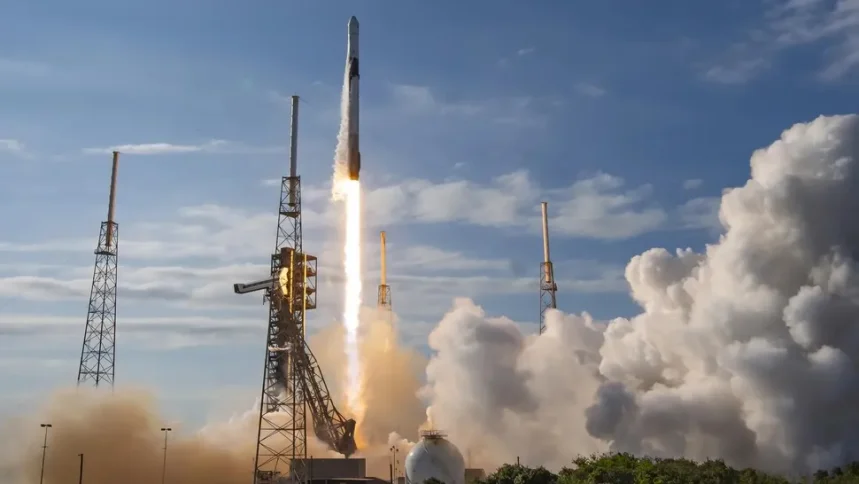
The uncrewed Dragon spacecraft is slated for liftoff atop a Falcon 9 rocket from Cape Canaveral Space Force Station at 6:33 a.m. EDT (10:33 UTC). Live coverage of the launch will begin at 6:15 a.m. EDT.
Key Payload & Scientific Objectives
The CRS-35 mission marks SpaceX’s 35th cargo resupply flight under its Commercial Resupply Services contract with NASA. Among the primary cargo payloads is the final set of International Space Station Roll-Out Solar Arrays (iROSAs), designed to augment the orbital laboratory’s power generation capabilities.
Additionally, the Dragon capsule is transporting advanced microgravity research experiments:
- Biomedical Engineering & Tissue Models: The payload includes hardware for manufacturing artificial retinas in microgravity to support vision restoration therapies, alongside 3D engineered heart tissue models for high-throughput drug testing.
- Neurodegenerative Research: Biological experiments featuring brain organoids will evaluate potential therapeutic targets for conditions such as Alzheimer’s disease, Parkinson’s disease, and multiple sclerosis.
- Materials Science: Experiments will study glass formation kinetics in microgravity to advance next-generation optical material manufacturing.
Orbital Rendezvous & Downmass Capability
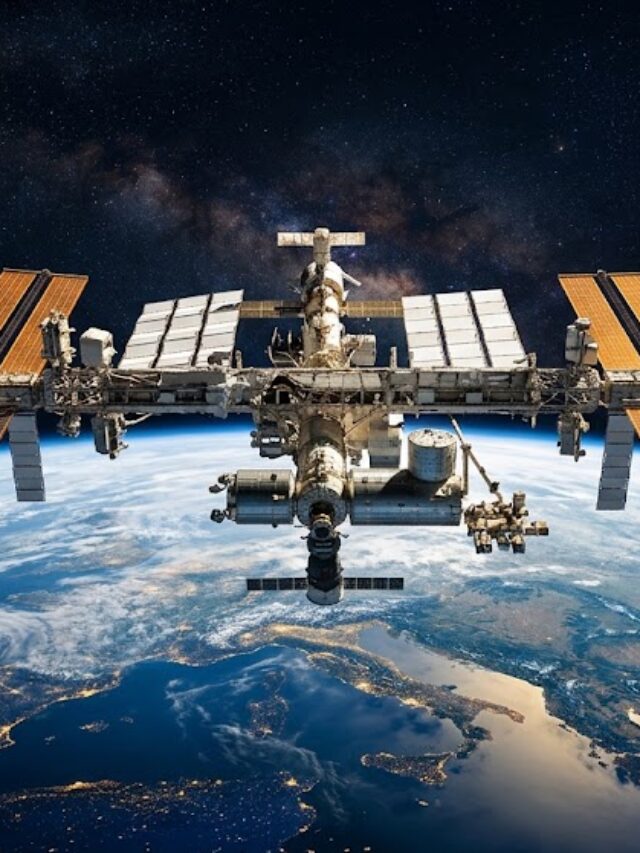
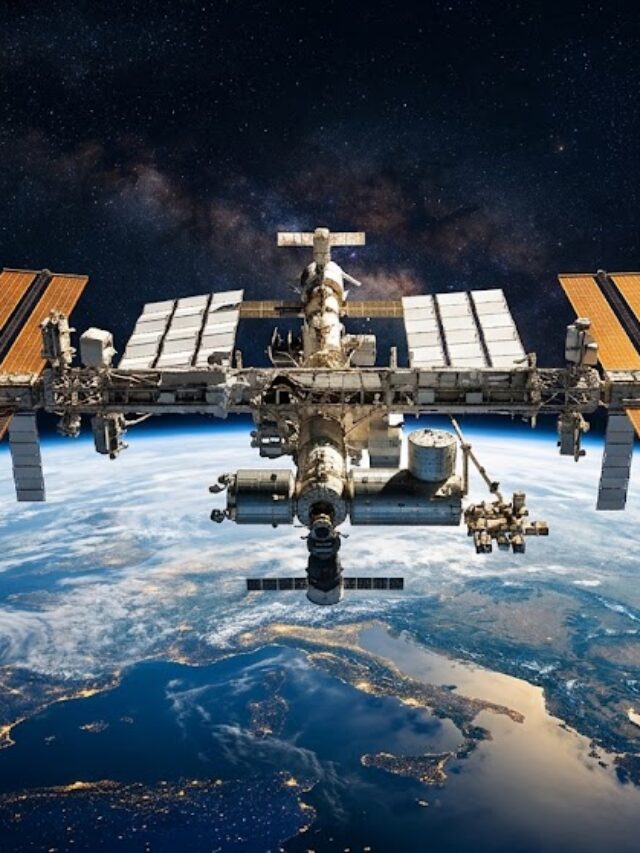
Following an automated two-day transit, the Dragon capsule is expected to dock with the space-facing port of the ISS Harmony module on Thursday at approximately 11:00 a.m. EDT (15:00 UTC). Live docking coverage will commence at 9:15 a.m. EDT.
The spacecraft is scheduled to remain berthed at the orbital complex for approximately 30 days. Upon completion of its mission, Dragon will un-dock and perform a targeted de-orbit burn, executing a parachute-assisted splashdown in the Pacific Ocean off the California coast to return critical research samples and hardware.
Dragon remains the only operational cargo spacecraft capable of safely returning significant payloads (downmass) to Earth, distinguishing it from expendable vehicles such as Russia’s Progress, Japan’s HTV-X, and Northrop Grumman’s Cygnus XL, which burn up upon atmospheric re-entry.