



—
- 1. A Brief Flight Through History – How Airplanes Took Off
- 2. How Airplanes Stay Aloft – The Science of Flight
- 2.1 The Four Forces of Flight
- 2.2 Engine Types – Choosing the Right Powerplant
- 2.3 Modern Avionics – The Digital Cockpit
- 3. Types of Airplanes – Picking the Right Bird for the Job
- 3.1 Commercial Passenger Aircraft
- 3.2 Business & Private Jets
- 3.3 Cargo Aircraft
- 3.4 Military & Special‑Purpose Aircraft
- 4. The Future of Airplane Technology – What’s on the Horizon?
- 4.1 Electric & Hybrid Propulsion
- 4.2 Supersonic & Hypersonic Revival
- 4.3 Sustainable Aviation Fuels (SAFs)
- 4.4 Autonomous Flight & AI‑Driven Operations
- 5. Practical Tips for Passengers – Making the Most of Your Airplane Experience
✈️ Introduction: From Dreamers to Jet‑Setters
Ever looked up at a sleek jet cruising above and wondered how a massive metal tube can defy gravity, glide thousands of miles, and land with pinpoint precision? You’re not alone. The fascination with airplanes has been a driving force behind some of humanity’s greatest engineering feats. Whether you’re a frequent flyer, an aspiring pilot, or simply a curious traveler, understanding the world of aircraft adds a new layer of appreciation to every take‑off and landing. In this guide we’ll unpack the history, the science, the different types, and the emerging technologies that are reshaping air travel—all in a conversational, SEO‑friendly style that’s easy to digest and packed with actionable insights.
—
1. A Brief Flight Through History – How Airplanes Took Off
Key takeaway: Knowing the milestones helps you recognize why modern aircraft are the way they are.
| Era | Milestone | Why It Matters |
|—–|———–|—————-|
| 1903 | Wright brothers’ first powered flight | Birth of controlled, heavier‑than‑air flight. |
| 1918–1930s | Development of metal airframes & radial engines | Shift from fragile wood‑fabric biplanes to sturdier, faster aircraft. |
| 1939–1945 | World War II turbo‑jet prototypes | Accelerated jet engine research, leading to the first commercial jets. |
| 1958 | Boeing 707 enters service | The true dawn of the jet age for passengers. |
| 1970s–1990s | Wide‑body, fuel‑efficient models (Boeing 747, Airbus A320) | Made long‑haul travel affordable and comfortable. |
| 2000s‑present | Composite materials, fly‑by‑wire, and ultra‑long‑range jets | Boosted efficiency, safety, and environmental performance. |
Actionable tip: When you book a flight, check the aircraft type in the “flight details” section. Knowing whether you’re on a narrow‑body Boeing 737 or a wide‑body Airbus A350 can set expectations for seat pitch, cabin noise, and even in‑flight Wi‑Fi quality.
—
2. How Airplanes Stay Aloft – The Science of Flight
Understanding the fundamentals of aerodynamics demystifies the magic behind every ascent.
2.1 The Four Forces of Flight
1. Lift – Generated by the wing’s shape (airfoil) as air moves faster over the top than underneath.
2. Weight – The aircraft’s mass pulling it toward Earth.
3. Thrust – Produced by engines (turbofan, turboprop, or piston) pushing the plane forward.
4. Drag – Air resistance that opposes thrust.
Quick action: If you’re learning to fly, practice “trim” adjustments early. Proper trimming reduces pilot workload by balancing these forces automatically.
2.2 Engine Types – Choosing the Right Powerplant
| Engine | Typical Use | Pros | Cons |
|——–|————-|——|——|
| Turbofan | Commercial jets, long‑haul | High thrust, fuel‑efficient at cruise | Heavier, higher upfront cost |
| Turbojet | Military supersonic | Simple, excellent high‑speed performance | Noisy, less fuel‑efficient |
| Turboprop | Regional airlines, cargo | Great for short hops, lower fuel burn | Slower cruise speed |
| Piston | Light sport aircraft, training | Low cost, easy maintenance | Limited altitude & speed |
Practical tip: For private owners, a modern turboprop like the Pilatus PC‑12 offers a sweet spot of speed, range, and runway flexibility—ideal for business travel to regional airports.
2.3 Modern Avionics – The Digital Cockpit
Fly‑by‑wire systems, glass panels, and GPS‑based navigation have transformed pilot workload. Features such as autothrottle, flight‑director, and terrain awareness increase safety and reduce fuel consumption.
Actionable advice: If you’re a hobbyist pilot upgrading a legacy aircraft, consider installing a Garmin G1000 integrated flight deck. It brings commercial‑grade situational awareness to small planes, boosting both safety and resale value.
—
3. Types of Airplanes – Picking the Right Bird for the Job
From the massive cargo behemoth that hauls containers across oceans to the sleek private jet that lands on a grass strip, each airplane serves a purpose.
3.1 Commercial Passenger Aircraft
- Narrow‑body (single‑aisle) – e.g., Boeing 737, Airbus A320. Perfect for short‑ to medium‑range routes, offering 150–200 seats.
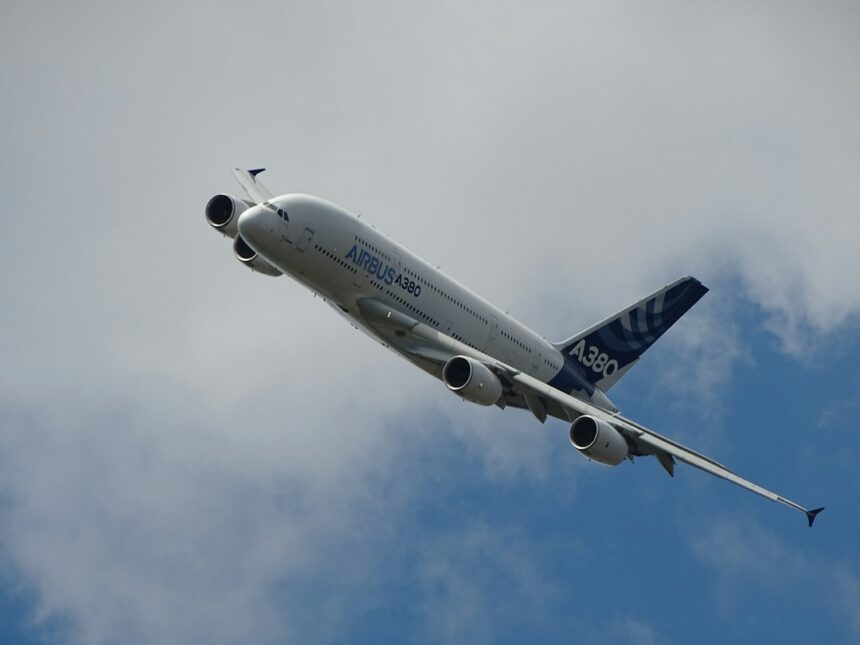
- Wide‑body (dual‑aisle) – e.g., Boeing 777, Airbus A350. Designed for long‑haul flights, 300+ seats, and higher cabin comfort.
- Light jets (Cessna Citation CJ series) – Ideal for 4–6 passengers, short hops.
- Midsize jets (Bombardier Challenger 350) – 8–10 seats, longer range.
- Large cabin jets (Gulfstream G650) – 14‑19 seats, ultra‑long range (up to 7,000 nm).
- Freighters (Boeing 747‑8F, Airbus A330‑200F) dominate intercontinental freight.
- Regional cargo (ATR 72‑600F) serve shorter routes and can operate from smaller airports.
- Fighter jets (F‑35, Su‑57) focus on speed, maneuverability, and stealth.
- Transport planes (C‑130 Hercules) move troops and equipment.
- Surveillance drones (MQ‑9 Reaper) provide persistent aerial intelligence.
- Up to 70% reduction in CO₂ emissions.
- Lower operating costs (electricity cheaper than Jet‑A fuel).
- Quieter take‑offs, opening new airport slots in noise‑restricted zones.
- History matters: From the Wright brothers to modern composites, each era shaped the aircraft we fly today.
- Physics is your friend: Lift, thrust, weight, and drag are the four forces that keep an airplane airborne—understanding them helps you appreciate design choices.
- One size doesn’t fit all: Whether you’re boarding a narrow‑body commercial jet, a private midsize jet, or a cargo freighter, each airplane type serves a distinct purpose.
- Future is green and fast: Electric propulsion, sustainable fuels, and supersonic travel are no longer sci‑fi; they’re becoming commercial realities.
- Travel smarter: Use aircraft‑type info, seat‑selection strategies, and loyalty programs to enhance comfort, save money, and reduce your carbon footprint.
Travel hack: When booking, filter by “aircraft type.” A narrow‑body often means quicker boarding and de‑planing, while a wide‑body may provide better legroom and in‑flight entertainment.
3.2 Business & Private Jets
Actionable tip: If you’re evaluating charter options, compare cost per flight hour versus block time. Light jets are cheaper per hour but may require more stops for fuel on transcontinental trips.
3.3 Cargo Aircraft
Business insight: Companies looking to expand logistics can lease a converted freighter rather than buying a new aircraft—lower CAPEX and flexible lease terms.
3.4 Military & Special‑Purpose Aircraft
Fun fact: Many technologies that power today’s commercial jets—like advanced composites and fly‑by‑wire—originated from military research.
—
4. The Future of Airplane Technology – What’s on the Horizon?
The aviation industry is on the cusp of a green and hyper‑connected transformation.
4.1 Electric & Hybrid Propulsion
Companies such as ZeroAvia and Ampaire are testing electric‑turboprop conversions for regional routes (< 500 miles). Benefits include:
Takeaway for travelers: Expect to see “electric‑powered” regional flights appear on airline schedules within the next 5–7 years, especially in Europe and the U.S. Northeast.
4.2 Supersonic & Hypersonic Revival
Boom Supersonic’s Overture aims to cut trans‑Atlantic travel time to under 4 hours. Meanwhile, NASA’s X‑59 Quiet Supersonic Technology (QueSST) focuses on reducing the “sonic boom” impact.
Actionable insight: If you’re a frequent business traveler, keep an eye on early‑bird ticket programs for supersonic routes—they may offer premium speed at a competitive price once the technology matures.
4.3 Sustainable Aviation Fuels (SAFs)
Blending bio‑derived kerosene with conventional fuel can cut lifecycle emissions by up to 80%. Airlines like United and Delta have already committed to using SAF for a portion of their fleet.
Practical tip: When booking, look for airlines that publicize SAF usage. Some carriers even allow passengers to offset their flight carbon footprint directly during checkout.
4.4 Autonomous Flight & AI‑Driven Operations
From autonomous cargo drones to AI‑assisted air traffic management, the future may see reduced pilot workload and optimized flight paths, leading to fuel savings and fewer delays.
What it means for you: In the next decade, you might experience “pilot‑assisted” flights where the cockpit crew monitors rather than manually flies, similar to autopilot on modern cars.
—
5. Practical Tips for Passengers – Making the Most of Your Airplane Experience
1. Check the Aircraft Type Early – Seat pitch, cabin width, and in‑flight amenities vary dramatically between a Boeing 737 MAX and an Airbus A321neo.
2. Select Seats Strategically – For extra legroom, aim for exit rows (if you meet the safety criteria) or bulkhead seats; for a quieter ride, choose seats forward of the wing.
3. Pack Smart for Cabin Pressure – Hydrate, wear compression socks, and move around every 30 minutes on long hauls to combat lower cabin humidity and pressure.
4. Leverage Airline Loyalty Programs – Many programs now reward not just miles but also “eco‑points” earned when you fly on SAF‑powered flights.
5. Stay Informed About Flight‑Tech Updates – Subscribe to airline newsletters or aviation blogs to learn when new aircraft (e.g., Airbus A321XLR) are added to routes you frequently travel.
—
🛬 Conclusion: Key Takeaways
The next time you hear the low hum of a jet engine overhead, you’ll know there’s a sophisticated blend of history, engineering, and forward‑thinking technology at work. So sit back, relax, and enjoy the flight—because the sky is no longer the limit; it’s just the beginning.
—
Ready to explore more? Subscribe for weekly aviation insights, flight‑tech updates, and exclusive travel hacks!